

THE PSYCHOLOGY AND MECHANISMS
# 32.Principle.
Definition (Merriam‑Webster)
noun
- 1a: a comprehensive and fundamental law, doctrine, or assumption//well-established economic principles
- b(1): a rule or code of conduct//Plagiarism is against the school’s principles.//… a new series of laws declared a fourth principle: the colonies could not make or export items that competed with English products …— Mary Beth Norton et al.
- (2): habitual devotion to what is right//a leader of principle//As a matter of principle, he would not accept the gift.//The photographer refused on principle to sell photos to the tabloids.
- 2: a primary source : origin//The principle of his great success lay in the fact of his appearance at a critical epoch.— The North American Review
- 3a: an underlying faculty or endowment//such principles of human nature as greed and curiosity
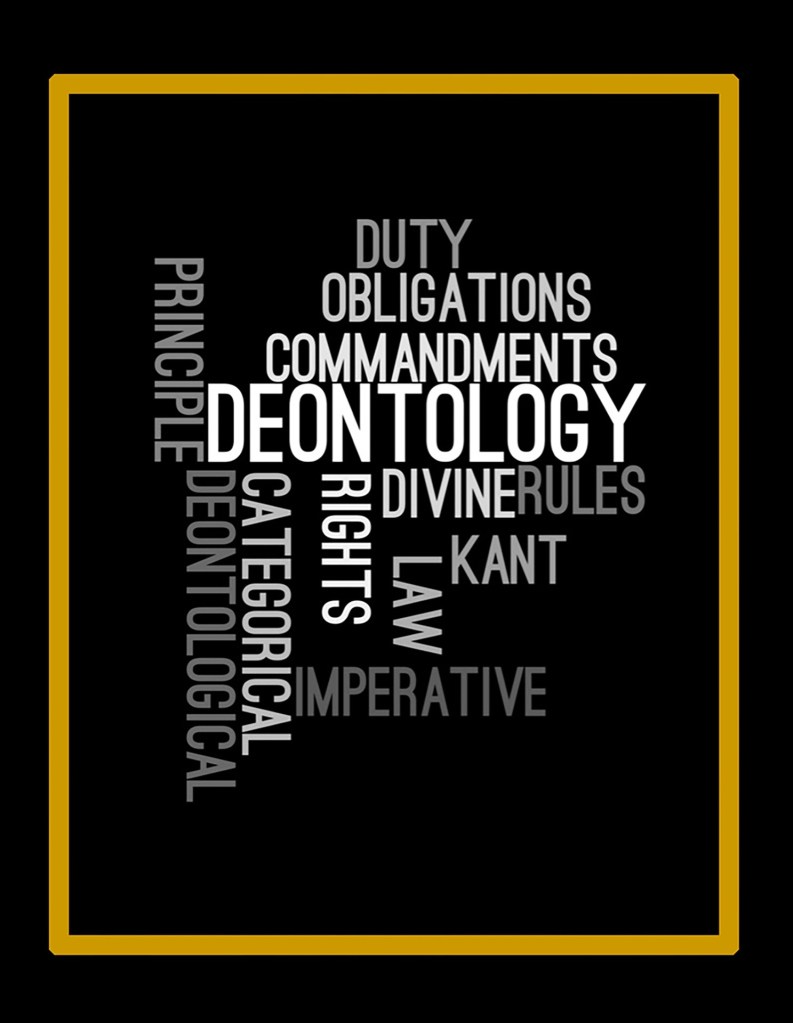
Principle is the foundation of conduct. It is not convenience or preference, but a steady rule that guides action. Where habit works silently, principle speaks clearly—it defines what is right, even when it is hard.
Principle as compass: It directs the path, ensuring choices are not swayed by comfort or fear.
Principle vs. convenience: Convenience bends with circumstance; principle stands firm even when costly.
Principle and truth: True principle is rooted in truth, refusing distortion or bias.
Principle in action: It is not theory—it must be lived, tested in daily choices, and proven in adversity.
Principle as guardrail: It prevents retaliation from becoming cruelty, ambition from becoming greed, and freedom from becoming chaos.
Principle is the anchor of dignity. Without principle, life drifts with desire and imitation. With principle, even small acts gain weight and meaning.

Principles differ in scope—moral, natural, social, personal, universal—but all serve one purpose: to steady life against distortion and direct it toward dignity.
Moral principles – Standards of right and wrong that guide conduct. Examples: truthfulness, justice, non-retaliation, service.
Natural principles – Laws of nature that govern existence. Examples: gravity, cause and effect, growth and decay.
Social principles – Rules that sustain harmony in community life. Examples: respect, cooperation, equality, responsibility.
Personal principles – Individual codes chosen to shape one’s life. Examples: discipline, simplicity, perseverance, self-control.
Universal principles – Timeless truths that apply across cultures and ages. Examples: honesty, compassion, fairness, freedom.

Examples in Daily Life:
Principles in daily life are not abstract—they are lived in choices:
- Truthfulness – Refusing to lie even when convenience tempts.
- Justice – Treating others fairly, regardless of gain or loss.
- Service – Acting for others’ good without expectation of reward.
- Non-retaliation – Correcting wrong without cruelty or revenge.
- Discipline – Following order and rules even when difficult.
- Simplicity – Choosing clarity over excess, balance over show.
- Responsibility – Owning one’s duties without shifting blame.
- Compassion – Extending kindness even when unasked.

What We Remember
- We remember that principle stands firm even when costly, refusing distortion or bias.
- We remember that principle must be lived—tested in daily choices, proven in adversity.
- We remember that principle preserves dignity—without it, life drifts with desire and imitation.

Do not mirror the wrong, yet do not let it pass. Create your principles with care, preserve them with discipline, and live within their boundaries with dignity.
🌝
(Images source: Pixabay)

 mindcaremagic