
THE PSYCHOLOGY AND MECHANISMS
KEYWORDS OF LIFE!
# 35. Happiness.
Definition (Merriam‑Webster)
noun
- 1a: a state of well-being and contentment :joy
- b: a pleasurable or satisfying experience//I wish you every happiness in life.//I had the happiness of seeing you— W. S. Gilbert
- 2: felicity, aptness//a striking happiness of expression
- 3 obsolete : good fortune :prosperity//All happiness bechance to thee …— William Shakespeare.

Happiness is the most wanted and searched for feeling by everyone. It is the emotional uplift that human beings pursue across cultures and ages. Unlike satisfaction, which requires closure of effort or desire, happiness can arise suddenly—through many sources that touch the mind and spirit.
Play — spontaneous laughter and freedom of activity.
Companionship — the warmth of loyal relationships.
Beauty — nature, art, or harmony that uplifts the senses.
Achievement — progress in effort, even before satisfaction is sealed.
Success — recognition or accomplishment in anything, bringing immediate happiness.
Service — giving to others, creating joy through generosity.
Health — vitality of body and mind, the ease of living without pain.
Freedom — independence of thought and action, the release from constraint.
Spirituality — inner peace, meditation, or connection to the divine.
Psychological Aspect:
Happiness functions as a mental state that reduces stress, strengthens resilience, and motivates action. It is linked to inner mechanisms of the mind and body, where neurotransmitters such as dopamine and serotonin create a feedback loop: happiness encourages engagement, which in turn sustains well‑being.
Philosophical Aspect:
Thinkers have long distinguished between fleeting happiness and deeper fulfillment. Aristotle described eudaimonia—flourishing—as the highest form of happiness, rooted in virtue. Stoics argued that happiness must be independent of external events, grounded in inner discipline.

Thus, happiness is not mere pleasure but a principle of living well, a measure of harmony between inner strength and outer life.
Examples in Daily Life
Child’s Play — A child laughs freely while playing, happiness arising without effort or fulfillment.
Artist’s Inspiration — An artist feels sudden happiness when a new idea sparks, even before the work is completed.
Friendship’s Warmth — Meeting a loyal friend brings happiness instantly, without any condition of closure.
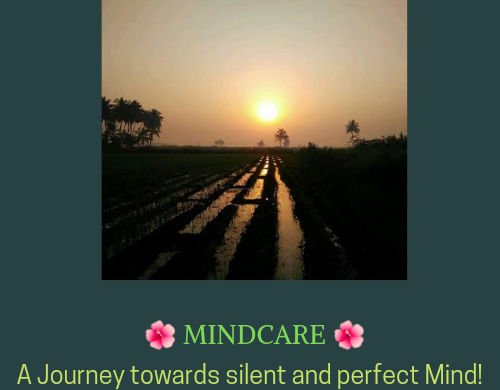
Nature’s Beauty — Watching a sunrise or hearing birds sing fills the heart with happiness, without demand or possession.
Community Celebration — Festivals and shared rituals bring collective happiness, a joy that spreads beyond individual fulfillment.
Parental Bond — A parent feels happiness when seeing their child succeed or smile.
Music and Art — Listening to a favorite song or viewing a painting can spark happiness instantly.
Acts of Service — Helping someone in need brings happiness through generosity.
Freedom of Choice — Taking a decision independently creates happiness through self‑expression.
Spiritual Practice — Meditation or prayer brings happiness through inner peace and connection.
Success in Anything — Winning a prize, completing a milestone, or being acknowledged by others brings immediate happiness.
What we remember?
- Happiness should be recognized as transient: it comes and goes, not always under control.
- Happiness should be nurtured through balance: excess pursuit leads to restlessness.
- True happiness should be distinguished from pleasure: pleasure may be indulgence, but happiness carries lightness and meaning.
- Happiness should be shared: it grows when extended to others, not hoarded.
- Happiness should be grounded in inner resilience: external events may trigger it, but lasting happiness depends on inner strength.

Happiness is not owned—it is lived.
🌝
(Images source: Pixabay.)

 mindcaremagic