
THE PSYCHOLOGY AND MECHANISMS
# 21 . Patience.
Definition (Merriam‑Webster)
- 1: the capacity, habit, or fact of being patient: such as
- a: the ability to accept obstacles or delays in a calm and self-possessed way//The longest lines are always for the barbecue, and those with the patience to wait will find out why.— Danielle Ames
- b: the ability to act with calm or restraint under provocation or strain//Thank you for your patience and understanding.//I don’t have much patience for that kind of behavior.//The team continues to play poorly, and many fans are starting to lose patience.
- c: the ability to persevere over a long period of time despite opposition, difficulty, or adversity//I don’t have the patience to do crossword puzzles.//… a complex bureaucracy that requires endless patience to navigate.— Tara Henley
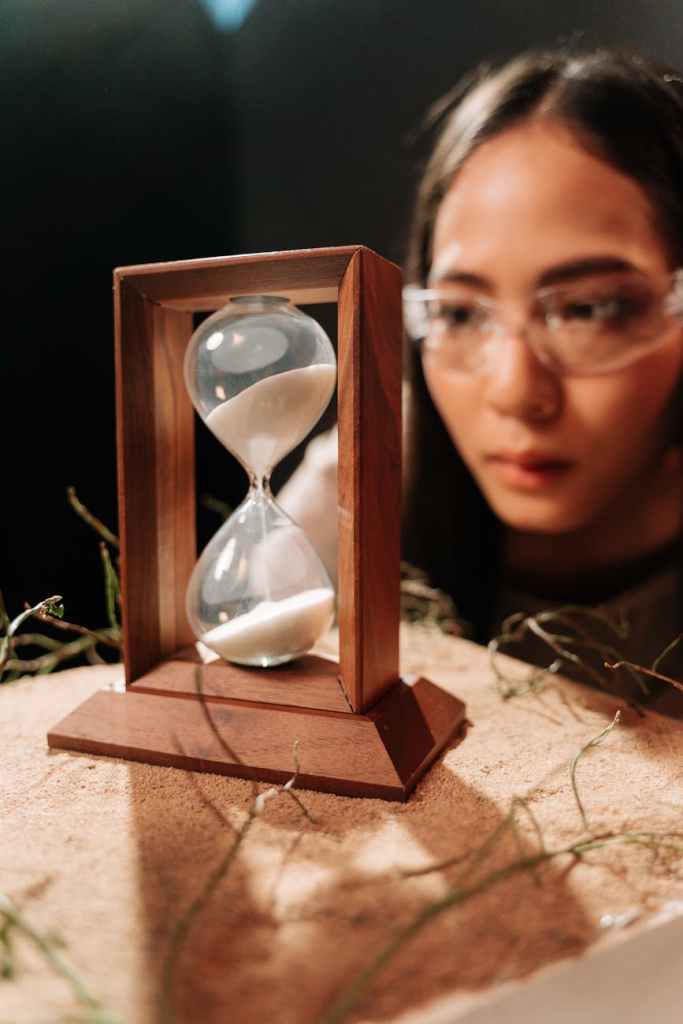
Patience is the quiet strength that steadies the heart and mind. It is the ritual of waiting without agitation, enduring without collapse, and trusting that time will ripen outcomes. Where haste scatters effort, patience gathers it; where impulse disturbs, patience restores balance. It is not weakness but resilience, not passivity but poised endurance.
Psychology of Patience
Psychologically, patience is the ability to regulate emotion under delay, provocation, or strain.
It is calm acceptance when obstacles arise, restraint when provoked, and perseverance when adversity stretches long.
Patience prevents frustration from turning into despair, and anger from turning into harm. It is the mechanism that allows effort to continue steadily, even when results are slow.
Philosophy of Patience
Philosophically, patience is wisdom in stillness.
It is the art of aligning with time rather than fighting it, the courage to endure trials without surrender, and the clarity to see that growth cannot be rushed. Patience is not resignation—it is the vow to wait with dignity, to act with restraint, and to persevere until the right moment arrives.
In this way, patience becomes a companion of hope and a guardian of peace.
Examples in Daily Life
- Learning: A child slowly mastering handwriting, guided by patience that accepts mistakes as steps toward skill.
- Work: An artisan polishing wood day after day, knowing that only patient effort reveals smooth perfection.
- Health: A patient recovering from illness, enduring the slow rhythm of healing with calm perseverance.
- Relationships: A parent listening quietly to a child’s repeated questions, answering with patience that nurtures trust.
- Family: A spouse waiting with understanding during moments of stress, showing patience that preserves harmony.
- Finance: An investor holding steady through market fluctuations, trusting patience to yield long‑term growth.
- Spiritual Path: A devotee repeating prayers daily, waiting for inner peace to unfold through patient devotion.
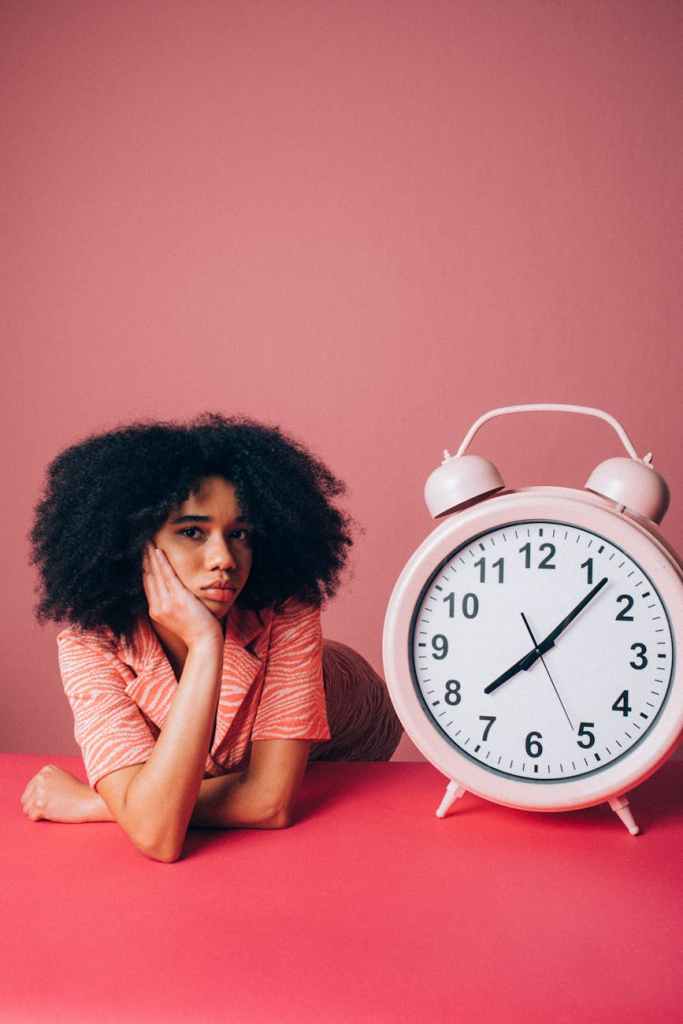
- Society: A citizen enduring long queues or bureaucratic delays, practicing patience that prevents anger from disturbing order.

What we remember
- We remember that patience is calm strength, not passive delay.
- We honor patience when it steadies emotion under strain and keeps effort alive through obstacles.
- We guard patience against distortion, ensuring it does not become indifference or neglect.
- We let patience ripen outcomes, trusting time as a companion rather than an enemy.
- We practice patience in learning, work, health, family, finance, spirit, and society—so endurance becomes harmony across life.
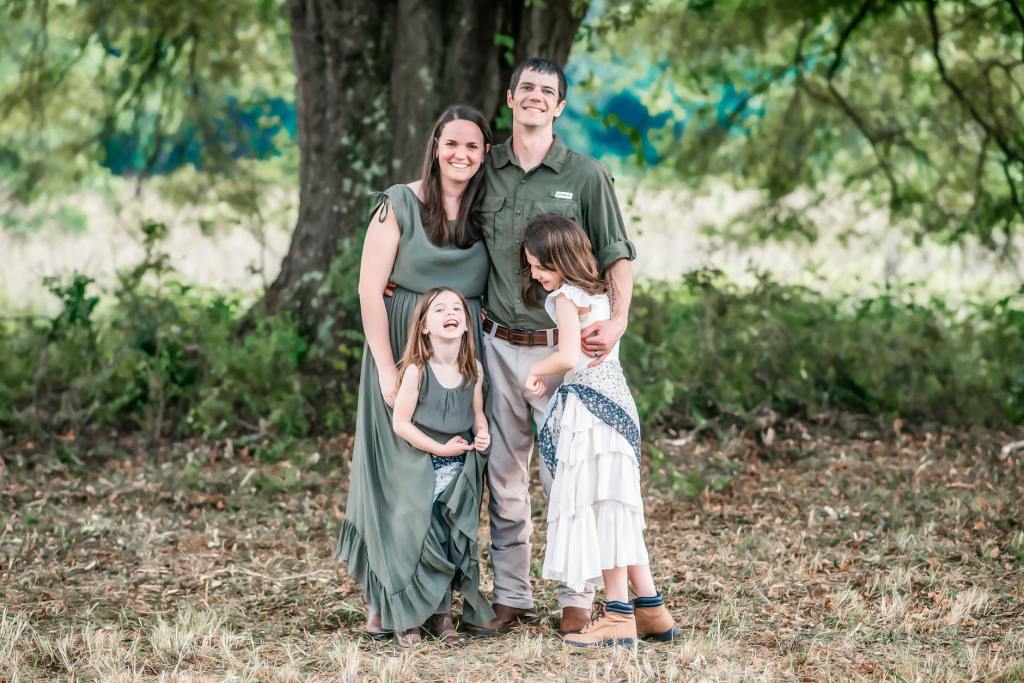
Patience is calm courage—waiting without agitation, enduring without surrender, and trusting time as the silent partner of growth.
🌝
(Images source: Pixabay)


